A mini stroke, also known as Transient Ischemic Attack (TIA), is often misunderstood.
Because symptoms may disappear within minutes or hours, many people assume the problem was minor or insignificant.
However, a TIA represents a temporary interruption of blood flow to part of our brain.
Although the blockage resolves before permanent damage occurs, it serves as an important warning signal.
The absence of lasting paralysis does not mean the event should be ignored.
Understanding a Mini Stroke (TIA)
A TIA occurs when blood supply to the brain is briefly reduced or blocked.
This leads to sudden neurological symptoms similar to a full stroke, but the symptoms resolve completely within a short time.
Despite the temporary nature, a TIA indicates that vascular risk factors may be present.
The risk of a subsequent stroke is significantly higher in the days and weeks following a TIA.
Common Symptoms
Symptoms often mirror those of a stroke and may include sudden weakness on one side of the body, difficulty speaking, blurred vision, imbalance, facial drooping, or numbness.
Because these symptoms resolve quickly, individuals may dismiss them as fatigue or stress.
This delay in seeking evaluation can increase future risk.
Why Rehabilitation Is Still Important
Even when strength and speech appear to return to normal, subtle changes may remain.
Individuals sometimes notice reduced endurance, mild coordination changes, or difficulty concentrating.
Rehabilitation focuses on restoring ADL function, refining balance and coordination, and addressing lifestyle factors that influence long-term brain health.
The purpose is not merely recovery, but optimisation of future function.
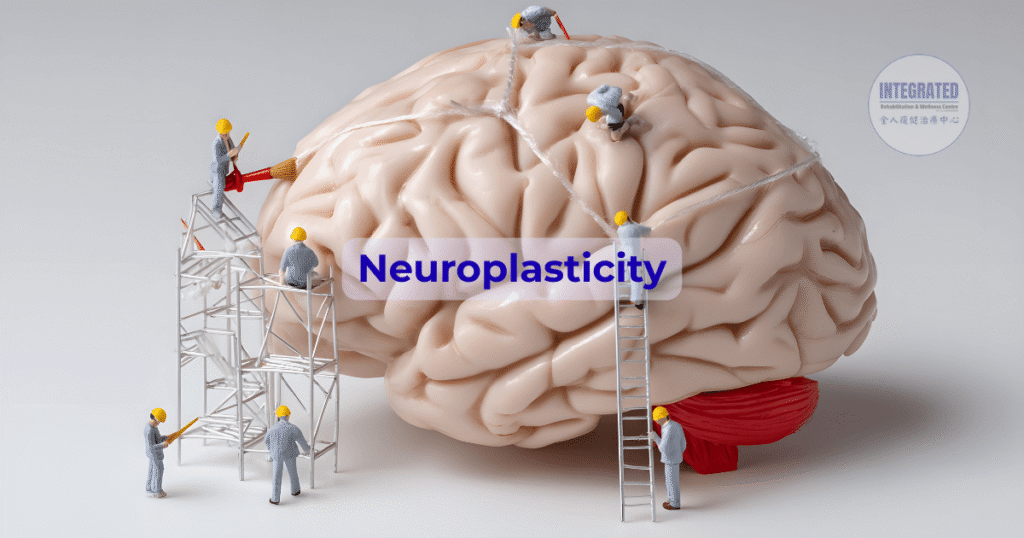
Neuroplasticity and Recovery
The brain possesses the ability to reorganise and adapt—a concept known as neuroplasticity.
After a TIA, targeted functional activities can support this adaptive process.
Early attention to movement patterns, cognitive engagement, and daily routines may contribute to overall resilience.
Emotional and Psychological Considerations
Experiencing a mini stroke can create anxiety and uncertainty.
Even if physical symptoms resolve, fear of recurrence may linger.
Supportive rehabilitation addresses not only physical aspects but also psychological confidence and lifestyle balance.
When Immediate Medical Attention Is Needed
If symptoms recur, persist, or are accompanied by severe headache or new neurological deficits, urgent medical evaluation is essential.
Even if symptoms resolve, formal medical assessment is strongly recommended.
Conclusion
A mini stroke is not “small” in importance. It is a warning sign that deserves attention.
Through appropriate evaluation and structured rehabilitation, individuals can better understand their risk profile and work toward maintaining long-term neurological health.