
What Is a Mini Stroke (TIA) and Why Rehabilitation Still Matters?
A mini stroke, also known as Transient Ischemic Attack (TIA), is often misunderstood.Because symptoms may disappear within minutes or hours,
Articles about stroke recovery, hand and upper-limb rehabilitation, neuroplasticity, shoulder subluxation, spasticity management, and functional training. This category provides evidence-informed guidance to help stroke survivors and caregivers understand the rehabilitation process.
A mini stroke, also known as Transient Ischemic Attack (TIA), is often misunderstood.Because symptoms may disappear within minutes or hours,
When people first hear the phrase “golden period for stroke rehabilitation”, it can sound both hopeful and frightening. Hopeful, because

After a stroke, many people are surprised by how quickly they start doing everything with the stronger arm. At first

When a stroke happens, life often changes in an instant. Movements feel unfamiliar, thinking is slower, energy is lower, and
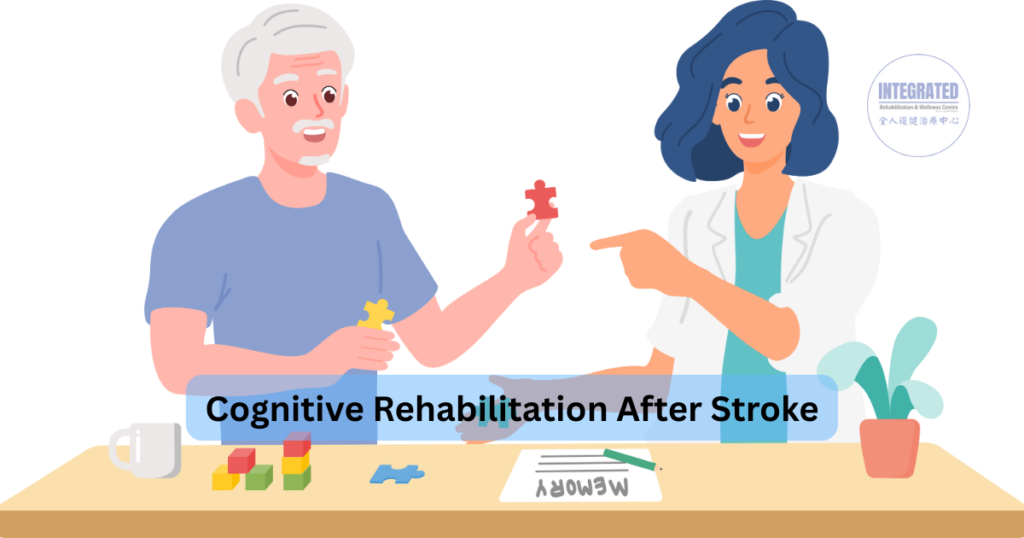
After a stroke, changes are not only seen in movement and strength. Many people notice that their thinking feels different:
After a stroke, recovery can feel confusing and unpredictable. Some days the arm or leg moves better, other days everything
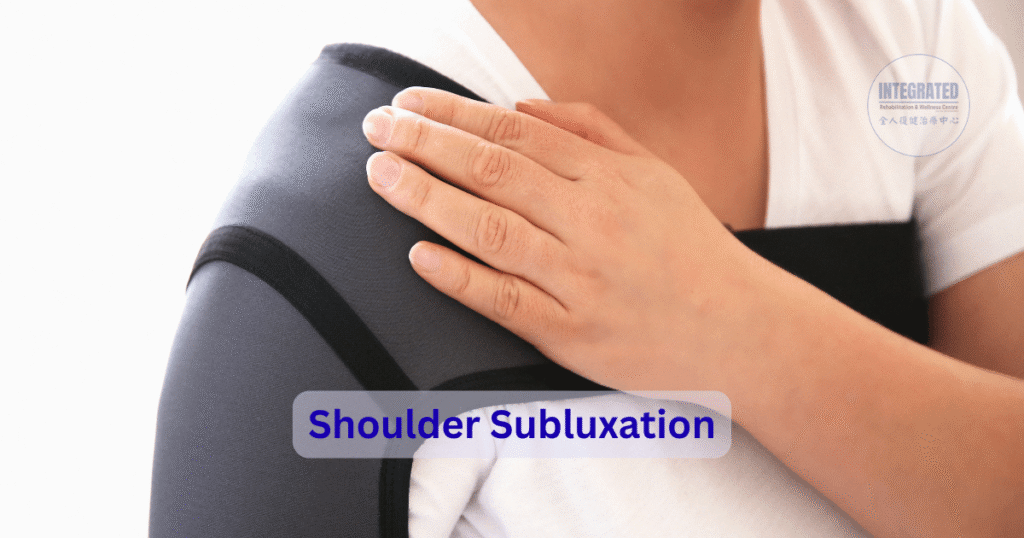
After a stroke, many people notice that their affected arm feels heavy, awkward or hard to control. Sometimes the shoulder
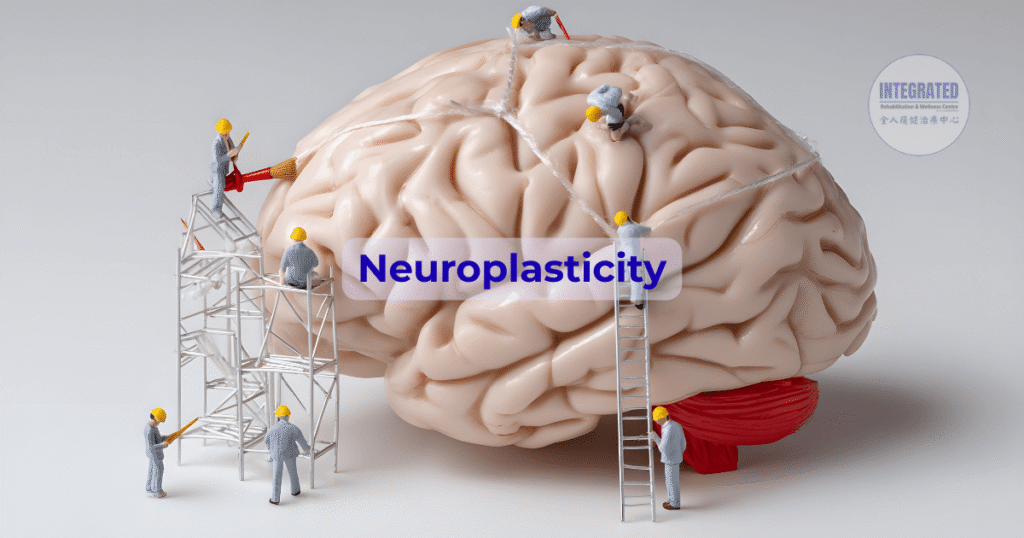
Stroke survivors always asking: “Will my hand come back?” “Will I walk again?” “How long do I have to improve?”

When a stroke affects the arm and hand, the life can change overnight. Simple actions like holding a spoon, a