When people first hear the phrase “golden period for stroke rehabilitation”, it can sound both hopeful and frightening. Hopeful, because it suggests there is a time when the brain is especially ready to recover. Frightening, because it raises a fear: “If we miss this window, is everything lost?”
The reality is more nuanced. There is a period when the nervous system is especially responsive to rehabilitation, but that does not mean recovery stops afterwards. Understanding this balance can help stroke survivors and families make wiser decisions about therapy, energy and expectations.
What people mean by the “golden period”
In simple terms, the “golden period” refers to the early months after a stroke, especially the first 3–6 months. During this time, several things are happening inside the brain and body at the same time.
In the first days and weeks, swelling around the injured area starts to settle. Blood flow adjusts, and some brain cells that were “stunned” rather than permanently destroyed may begin to function better again. Clinical studies have shown that a large portion of spontaneous neurological recovery tends to occur in this early phase, particularly for motor function and language. Many guidelines therefore encourage early, appropriately dosed rehabilitation once the person is medically stable.
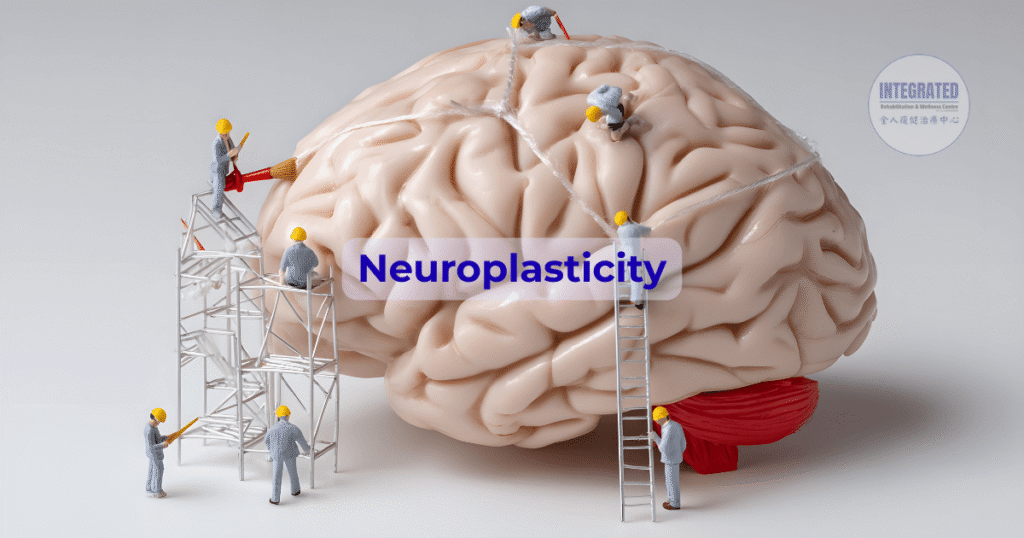
At the same time, neuroplasticity—the brain’s ability to reorganise and form new connections—is very active. Imaging and research suggest that the central nervous system undergoes a kind of “sensitive period” after stroke, during which training and experience can have a particularly strong impact on how networks reorganise. When the right kind of rehabilitation is provided during this time, it can help shape how function returns.
This is why doctors and therapists push, gently but firmly, for:
- Early mobilisation when safe
- Early involvement of physiotherapy, occupational therapy and speech–language therapy
- Early practice of real tasks such as sitting up, washing, dressing, eating and using the affected hand as much as possible in a safe way
From a rehabilitation perspective, the “golden period” is not a single day or week, but a cluster of months when the brain is both vulnerable and open to change.
Why early rehabilitation is so strongly recommended
Early rehabilitation after stroke serves two major purposes.
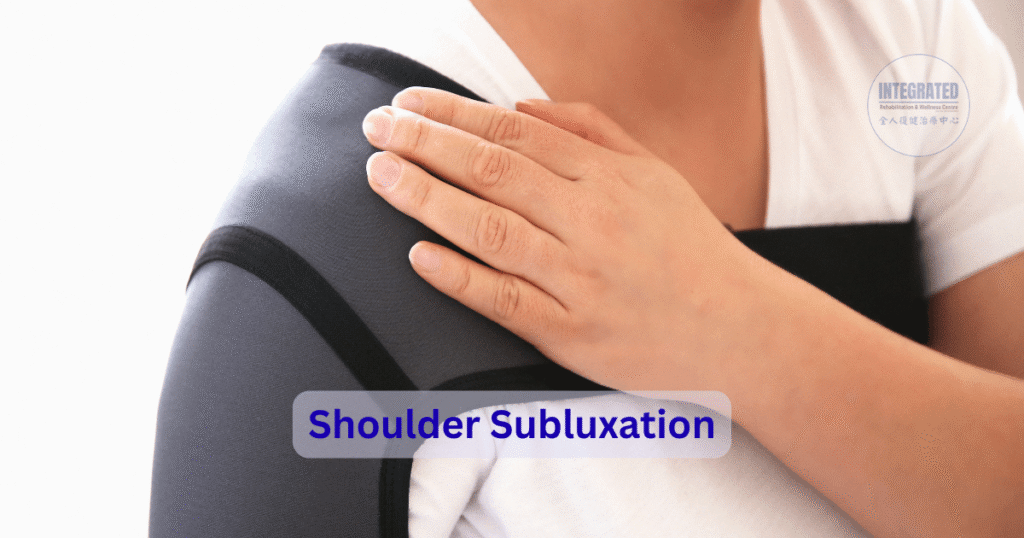
First, it aims to prevent secondary complications. If a person lies in bed for weeks with little movement, they are at higher risk of chest infections, pressure injuries, blood clots, loss of muscle mass, stiff joints and painful shoulders. Gentle movement, correct positioning, supported sitting and early self-care not only help the brain relearn control, but also protect the rest of the body.
Second, early rehabilitation gives the nervous system meaningful input while plasticity is high. When the person practises sitting, standing, reaching, using their hand, swallowing or speaking, the brain receives repeated messages about what is important. These messages can influence which pathways are strengthened and which fade.
This does not mean pushing through pain or ignoring medical limits. It means working closely with the medical and rehab team to find the earliest safe starting point, and building from there. Even simple actions in the early days—changing position, sitting out of bed for a short period, practising assisted standing, using the affected arm to rest on a pillow or table—can be part of this early “golden” work.
How long does the “golden period” last?
Different studies and guidelines describe slightly different timeframes, but a common pattern looks like this:
- First weeks (acute phase) – the stroke is fresh, the person is in hospital, and the focus is on medical stability plus very early mobilisation and self-care.
- First 3 months (early subacute phase) – many people make their fastest gains in this period, with clear changes in movement, speech and independence when therapy is active.
- 3 to 6 months (late subacute phase) – recovery continues, often at a slower but still meaningful pace, especially with ongoing rehabilitation and home practice.
This combined span—from stroke onset up to about six months—is usually what people mean by the “golden period”, because neuroplastic changes and spontaneous recovery are, on average, more rapid here than later on.
However, it is essential to emphasise that recovery does not suddenly stop at six months. Research has repeatedly shown that people can continue to improve well into the chronic phase (beyond six months), particularly when they engage in structured, task-specific training, manage fatigue and remain active in daily life. The curve may be flatter, but it is rarely completely flat.
In other words, the “golden period” is a time of heightened opportunity, not a strict expiry date.
The danger of misunderstanding the golden period
Misunderstanding the golden period can cause two opposite problems.
On one side, some people feel overwhelming pressure in the first months: “I have to recover everything right now, or it’s over.” This can lead to unrealistic goals, exhaustion and guilt when progress is slower than hoped. It can also trigger a sense of failure at exactly the time when encouragement and patience are most needed.
On the other side, some people are told, directly or indirectly, that “after six months nothing more can be done.” This belief is discouraging and not accurate. It may cause people to stop practising, withdraw from activities and accept a lower level of function than they might actually be able to reach with continued support.
A healthier framing is:
- The early months are especially powerful for setting foundations, protecting the body and kick-starting recovery.
- After that, the brain still has plasticity; progress can continue, even if it is more gradual, especially when therapy and meaningful activity continue.
This way, the golden period becomes a motivation to start early, not a threat that everything is lost afterwards.
What to focus on during the golden period
In practical terms, what should stroke survivors and families focus on during this sensitive early window?
The details will vary for each person, but common themes include:
- Active participation in therapy – attending physiotherapy, occupational therapy and speech–language sessions as recommended, asking questions, and sharing worries so the programme can be adjusted.
- Meaningful daily practice – using therapy ideas at home or in the ward: practising sitting balance while talking with family, using the affected arm to support during meals, using memory strategies during real conversations.
- Preventing complications – following guidance on positioning, joint protection (especially for the shoulder), skin care, nutrition and safe swallowing.
- Building realistic routines – starting to shape a daily rhythm that includes rest, exercise, self-care and, gradually, small pieces of valued activities.
Even simple, repeated actions, done thoughtfully, can make good use of the golden period: standing up from the chair with safe assistance several times a day, practising specific hand movements, or working through a bathing or dressing routine with graded help rather than full dependence.
Beyond the golden period: why rehabilitation still matters
Once the six-month mark passes, many stroke survivors are surprised to find that change is still possible. They may notice that with continued practice, their walking becomes smoother, their hand more coordinated, their speech clearer, or their problem-solving sharper.
Several factors support continued progress:
- Ongoing neuroplasticity: the brain can keep adjusting based on experience, even long after the initial injury.
- Learning and confidence: as people gain more confidence in moving and thinking, they often attempt more activities, which in turn provide more practice.
- Better health and fitness: as medical issues stabilise and stamina improves, people can tolerate more activity, which supports both brain and body.
In the chronic phase, progress often comes from well-chosen, intensive bouts of training combined with consistent engagement in everyday life. Task-specific upper limb training, balance and gait work, cognitive strategies and adaptive equipment can all play a role.
The key message is that the golden period is only the first chapter of the rehabilitation story, not the whole book.
How occupational therapy uses the golden period wisely
Occupational therapists are particularly focused on using the golden period to establish sustainable patterns of daily living, not just short bursts of performance.
In the early months after stroke, occupational therapy often concentrates on:
- Safe performance or partial performance of self-care (washing, dressing, toileting, eating)
- Early use of the affected arm and hand in real tasks whenever safely possible
- Environmental adjustments (for example, bathroom setup, bed and chair heights, simple equipment) to make independence more achievable
- Teaching families how to help in ways that support, rather than replace, the person’s abilities
- Introducing basic cognitive and memory strategies inside real activities
By doing this early, OT helps ensure that habits formed during the golden period are helpful rather than harmful. For example, a person who learns in the first months to always involve the weaker arm as a stabiliser or helper has a better chance of keeping that limb in play long-term, instead of slipping into learned non-use.
Later on, OT can return in more targeted ways: to support return to work or community roles, to adjust routines as abilities change, or to revisit specific goals such as driving, childcare, or managing complex home tasks.
What families can realistically do
Families often want to know, “What can we do at home so we don’t waste the golden period?” The answer does not have to be complicated or medical. It can include things like:
- Encouraging the person to do as much of each task as they safely can, even if it takes longer
- Giving extra time rather than rushing in to “fix” everything
- Following the therapist’s advice on safe transfers, joint protection and positioning
- Creating a calm, organised environment that reduces confusion and fatigue (for example, consistent places for important items, simple routines, not too much clutter)
- Balancing practice with true rest, so that exhaustion does not overwhelm motivation
The most powerful support is often steady, realistic encouragement: noticing small gains, respecting bad days, and staying engaged in the process without constant pressure.
When to seek professional advice
Any time you are worried about:
- Sudden new weakness, severe headache, change in vision or speech (these are emergency signs – immediate medical attention is needed)
- A decline in function after an earlier period of improvement
- Increasing shoulder pain, falls, confusion or mood changes
- Feeling stuck or lost about what to practise next
it is appropriate to speak with your rehabilitation team, doctor, occupational therapist or physiotherapist.
If the stroke happened some time ago and you did not have much access to rehabilitation, it is still worth asking whether a new assessment and updated rehabilitation plan could help. Even though the early golden period has passed, there may still be meaningful gains to be made in the months and years ahead.
A balanced message about the golden period
The idea of a golden period for stroke rehabilitation is meant to highlight opportunity, not to create fear. Yes, the early months are precious, and taking full advantage of them can make a real difference. But they are not the only time that the brain and body can change.
Recovery after stroke is more like a long-distance journey than a sprint. The golden period is a powerful early section of the route, when wise choices and good support can set a strong direction. After that, steady walking—through continued practice, adaptation and support—still matters enormously.
This article is for general education and does not replace individual medical advice. For personalised assessment and recommendations, please consult your rehabilitation team or a qualified healthcare professional.