When a stroke happens, life often changes in an instant. Movements feel unfamiliar, thinking is slower, energy is lower, and the routines that used to run almost automatically suddenly demand effort and planning. In the middle of all this, one question comes up again and again:
“How do I get back to my normal daily life?”
This is exactly where occupational therapy (OT) comes in. While many people think of rehab only in terms of “walking again” or “moving the arm”, occupational therapy looks at something broader and more personal: how you live your day.
What “daily activities” really mean after a stroke
Daily activities are not just brushing teeth and getting dressed. They are the thousands of small actions that give your day structure and meaning:
- Getting out of bed and to the bathroom safely
- Showering and dressing without feeling overwhelmed
- Preparing a simple meal and cleaning up afterwards
- Managing medication and appointments
- Using a phone, computer or public transport
- Looking after children or parents
- Handling work tasks or part-time roles
- Enjoying hobbies, social time, faith or community activities
After a stroke, any part of this chain can become fragile. Weakness, changes in balance, altered sensation, slower thinking, fatigue, mood changes and vision problems can all quietly interfere with daily life—even if the person looks “fine” on the surface.
Occupational therapists are trained to join the dots between these physical and cognitive changes and the daily tasks that matter to each person.
From hospital bed to real life: why OT starts early
In the early days after a stroke, an occupational therapist usually meets the person at the bedside. At that point, daily activities might seem far away: perhaps the person is still in pyjamas, attached to monitors, dependent on nurses for basic care.
Even here, OT is already thinking ahead to life outside the ward.
Early occupational therapy may include:
- Assessing how much help is needed for washing, toileting and transfers
- Guiding safe ways to sit out of bed, stand and move to a chair or commode
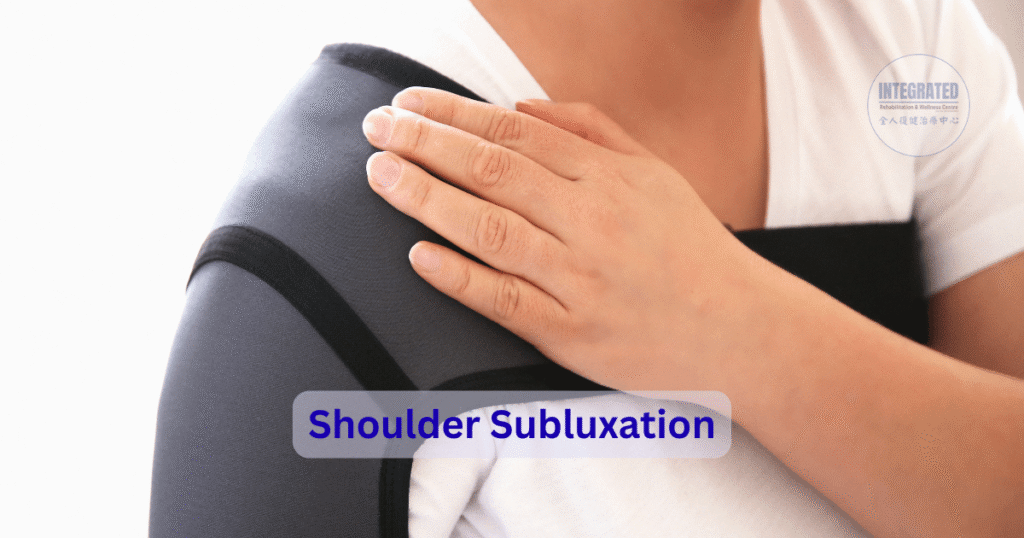
- Protecting weaker joints such as the shoulder and ankle during movement
- Introducing simple ways to use the affected hand or arm as soon as it is safe
- Exploring early changes in thinking, attention and insight that could affect later independence
The aim is twofold:
- Prevent complications such as joint stiffness, shoulder pain, pressure injuries and loss of confidence.
- Keep daily activities alive, even in a simplified form, so the person does not slip into a passive “patient-only” role.
This early focus sets the tone for later rehabilitation: the idea that every day is still a day of living, not just a day of being treated.
Understanding the person, not just the diagnosis
A stroke diagnosis may sound similar on paper, but no two lives look the same. One person may be a retired grandparent who wants to get back to cooking and temple or church activities. Another may be a 45-year-old running a small business who needs to manage staff, finances and long hours. Yet another may be a quiet person whose main joy is gardening or reading.
When an occupational therapist first sits down with a stroke survivor (and often their family), the conversation goes far beyond “Can you lift your arm?” or “What is your muscle grade?”. It often includes questions like:
- What did a normal weekday look like before your stroke?
- Who do you live with, and what is your home like?
- What responsibilities do you feel most worried about right now?
- Which parts of your old life do you most hope to get back?
Alongside standardised assessments of movement, thinking, perception and mood, this personal story becomes the heart of the OT plan. The goal is not only to walk a certain distance or reach a certain score; it is to support the person in returning to a pattern of daily life that feels personally meaningful and sustainable.
Training self-care: washing, dressing, toileting and grooming
One of the first milestones many people aim for is to regain basic self-care. Being able to wash, use the toilet and dress independently is not just practical; it is deeply tied to dignity and self-esteem.
Occupational therapists break these tasks down into manageable steps. For example, dressing after a stroke can be unexpectedly complex. Weakness or spasticity in one arm, balance issues, reduced sensation and fatigue can all make the process slow and risky. An OT might:
- Teach a “dressing sequence” that always starts with the weaker arm
- Suggest clothing styles that are easier to manage, such as looser tops, elastic waistbands or adaptive fasteners
- Train safe techniques for standing balance or seated dressing, depending on what is safest
- Work with the person in real time in the bathroom or bedroom, not just in the therapy gym
With toileting and bathing, similar principles apply. The therapist assesses the environment, recommends grab rails, shower chairs or non-slip mats if needed, and practises the routines step by step until the person and family are confident. The aim is to blend safety with as much independence as possible, respecting privacy and cultural preferences.
Using the affected arm and hand in real tasks
The affected arm and hand are often hesitant to join daily activities. It is common to see the stronger arm doing everything while the weaker arm hangs passively at the side. Over time, this can reduce the brain’s chance to relearn control and can make recovery slower.
Occupational therapists look for every real-life opportunity to invite the affected arm into the task, even in a small way:
- Resting the weaker hand on the table during meals, instead of on the lap
- Supporting a bowl or plate with both hands, even if the stronger hand does more of the work
- Using the affected hand to help pull up trousers or steady clothing
- Placing light objects in front of the affected side so that the person naturally turns and reaches that way
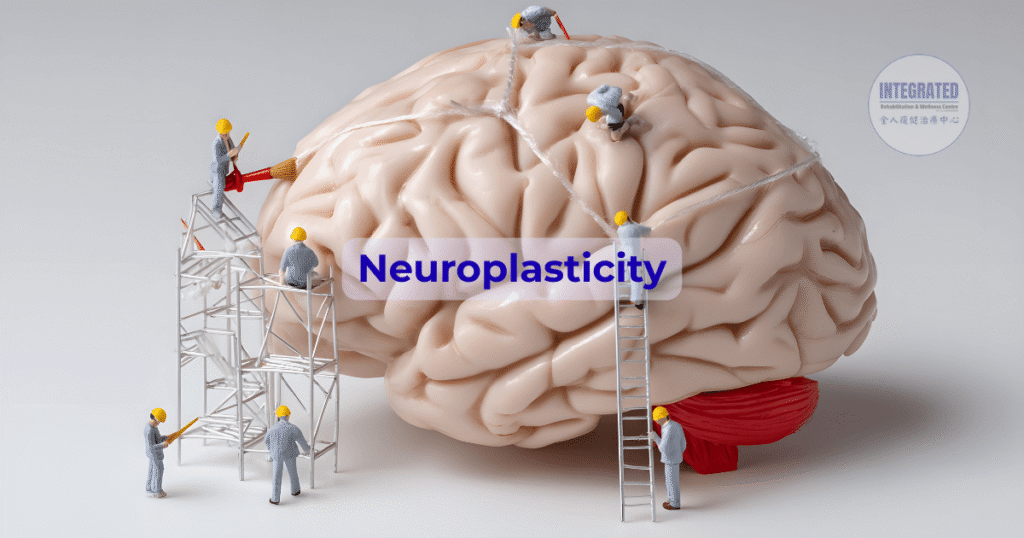
In therapy sessions, the same arm and hand are trained through purposeful activities: reaching for cups, folding towels, opening containers, working with pegs, cutlery or grooming tools. This is not exercise for exercise’s sake; it is practice linked directly to daily life, supporting both neuroplasticity and confidence.
Thinking, memory and organisation in daily routines
For many stroke survivors, the biggest barriers to daily activities are not just physical. Difficulties with attention, memory, planning and problem-solving can quietly disrupt even simple tasks.
An occupational therapist might notice that a person:
- Starts making tea but walks away and forgets about it
- Struggles to follow multi-step instructions unless they are broken down
- Feels overwhelmed by paperwork and appointments
- Misplaces items frequently or repeats questions
Instead of treating this as “carelessness” or “not trying hard enough”, OT views it as part of the stroke’s cognitive impact. The therapist then weaves cognitive rehabilitation into daily activities:
- Breaking tasks into clear, written or visual steps
- Establishing structured routines for morning and evening
- Using planners, phone reminders and pill organisers
- Simplifying the environment so that important items have fixed places
- Practising real-life situations such as shopping, managing simple finances or using public transport, with graded support
The focus is not only on strengthening thinking skills, but on making daily life doable, even if some cognitive difficulties remain.
Adapting the home and environment
Sometimes, the fastest way to make daily activities safer is not to change the person, but to change the environment.
An occupational therapist often looks at the home with a very practical eye:
- Are there steps or narrow doorways that make movement difficult?
- Is the bathroom layout safe enough for a person with slower balance and weaker legs?
- Where are the most common trip hazards—loose rugs, clutter, poor lighting?
- Is the bed height and chair height suitable for easier transfers?
Recommendations might include grab rails, raised toilet seats, shower chairs, non-slip surfaces, rearranged furniture, or simple equipment like long-handled sponges, reachers or sock aids. In some cases, more specialised equipment such as wheelchairs, cushions or pressure-relieving mattresses may be suggested.
The goal is to create a home where the person can do more with less effort and risk, saving energy for meaningful activities instead of spending it on fighting against the layout of the house.
Return to roles: family, work and community
Daily activities are not only physical tasks. They are also roles: parent, partner, worker, volunteer, friend, community member. After a stroke, many people feel a deep sense of loss when they cannot participate as they used to.
Occupational therapists support stroke survivors in gradually reconnecting with these roles. That might mean:
- Helping a parent find safe ways to still engage with children or grandchildren
- Planning a graded return to work, with modified hours or adapted tasks
- Exploring alternative ways to contribute at home if heavy physical chores are no longer safe
- Identifying new or adapted leisure activities—a different sport, a gentler hobby, a social group that understands stroke recovery
Sometimes, this process includes honest conversations about what may not be realistic at the moment, and where creative alternatives can still bring a sense of purpose and belonging. OT recognises that identity and meaning are central to health, not optional extras.
Involving and supporting the family
Stroke affects the whole family. Partners, children and siblings often find themselves in new roles: caregiver, driver, organiser, emotional anchor. They may be eager to help, but unsure how. They may also be exhausted.
Occupational therapists work closely with families, not just patients. They help caregivers learn:
- Safe ways to support transfers and movement without hurting themselves
- How to offer the right amount of help—neither doing everything nor pushing too hard
- How to use equipment and environmental changes correctly
- How to support memory aids, routines and practice at home
Equally important, OT provides space to talk about boundaries, fatigue and what is realistically sustainable. A rehabilitation plan that depends on a caregiver doing everything, with no rest, is not truly sustainable. Supporting the whole system increases the chances that daily routines can be maintained over time.
Adjusting expectations and finding a new rhythm
Returning to daily activities after a stroke is rarely about “going back to exactly how things were”. More often, it is about finding a new rhythm—a way of living that respects the body’s changed limits, makes use of strengths, and still includes joy, connection and purpose.
Occupational therapists help stroke survivors and families adjust expectations in a kind and realistic way. This might mean:
- Accepting that tasks take longer and planning more time
- Choosing which activities are essential and which can be simplified or delegated
- Learning to pace the day to avoid severe fatigue
- Recognising and celebrating small gains that might otherwise be invisible
In this sense, OT is not just a set of techniques; it is also a way of reframing recovery. Instead of measuring success only in metres walked or degrees of movement, OT asks: “Can you live your day in a way that feels more like you again?”
Outlook
Occupational therapy cannot erase the fact that a stroke has happened. It does not promise a complete return to the past. What it offers is something both practical and deeply human:
- A structured way to understand how the stroke has changed daily life
- Specific strategies and training to rebuild independence where possible
- Adaptations and supports where needed
- Respect for the person’s history, roles, values and culture
With time, repetition and the right kind of support, many stroke survivors discover that daily life can become more manageable—and more meaningful—than they first imagined in the hospital. OT walks alongside them in that process, one routine, one activity and one small success at a time.
This article is for general education and does not replace individual medical advice. For personalised assessment and recommendations, please consult your rehabilitation team or a qualified healthcare professional.