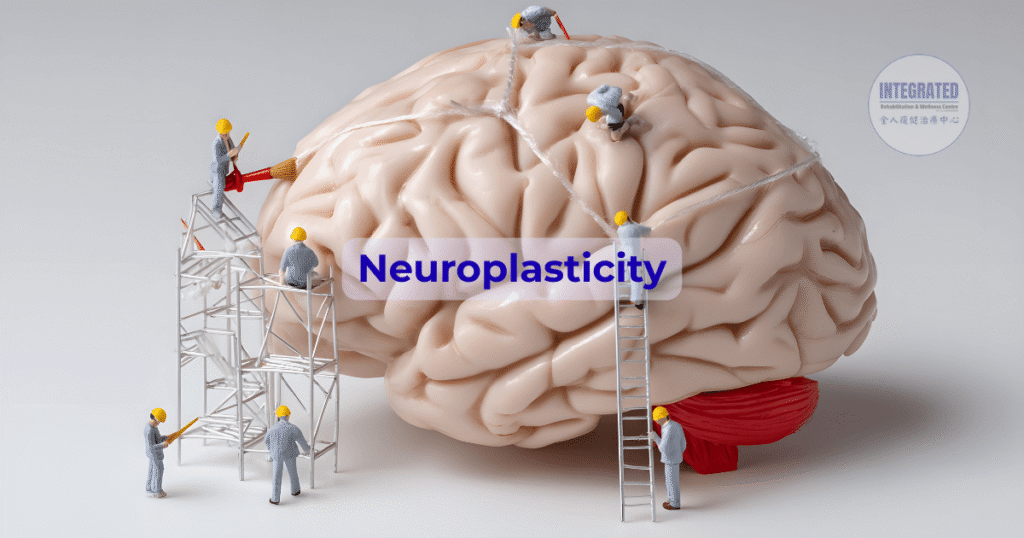
After a stroke, changes are not only seen in movement and strength. Many people notice that their thinking feels different: memory is weaker, attention is shorter, planning is harder, and it takes more effort to follow conversations or manage daily tasks. These changes are part of what therapists call cognitive impairments after stroke, and they can have a big impact on independence and confidence—even when the arm and leg are recovering well.
Cognitive rehabilitation is the part of stroke rehab that focuses on how a person thinks, processes information and manages daily life. It is not about making someone “perfect” again. It is about understanding what has changed and building practical ways to support thinking, memory and organisation in real-life situations.
How stroke can affect thinking and daily life
The brain is involved in everything we do, not just movement. After a stroke, different areas of thinking can be affected, depending on the location and size of the injury.
Some people find that attention is weaker. They may lose track of what they are doing, get distracted easily, or find busy environments overwhelming. Following a conversation in a noisy restaurant, or reading a full page of text, can feel exhausting.
Others notice changes in memory. They may forget recent appointments, repeat questions, or struggle to remember instructions unless they are written down. Long-term memories—such as childhood stories—are often still strong, but new information does not “stick” as easily.
Executive function is another area often affected. This includes planning, organising, problem-solving, switching between tasks and making decisions. A person may know what they want to do, but find it hard to organise the steps, start the task, or adapt when something unexpected happens.
There can also be changes in processing speed (needing more time to think), language (finding words or understanding complex sentences), spatial awareness (misjudging distance, bumping into objects, neglecting one side of the body or space), and insight (not fully realising what has changed).
All of this can make everyday life more difficult: managing finances, medication, work tasks, driving, using technology, or even cooking a simple meal. Sometimes the changes are subtle but still distressing. Other times they are very obvious and limit safety and independence.
What is cognitive rehabilitation?
Cognitive rehabilitation is a structured, goal-oriented approach to help people live better with cognitive changes after a stroke. It is usually led by professionals such as occupational therapists, neuropsychologists and speech–language therapists, often working together as part of a rehabilitation team.
Cognitive rehabilitation does not rely on a single method. Instead, it combines different strategies, which can be grouped into two broad approaches:
- Restorative strategies, which aim to strengthen certain thinking skills through repeated practice and training; and
- Compensatory strategies, which aim to work around the difficulties by changing the environment, routines or tools used in daily life.
In practice, these two approaches are often blended. For example, a person may practise attention and memory exercises in structured sessions, while also learning to use a diary, phone reminders and task checklists to support daily activities. The focus is not just on improving test scores, but on making daily life safer, easier and more meaningful.
Assessment: understanding the person, not just the test
Good cognitive rehabilitation begins with a careful assessment. Standardised tests can give useful information about attention, memory, language, executive function and perception, but they are only part of the picture. Equally important is understanding what the person wants to do in their life, what they are struggling with, and what a “good day” looks like.
An occupational therapist may observe how the person manages dressing, making tea, using a phone, organising medication or handling money. A neuropsychologist may explore specific cognitive strengths and weaknesses in more detail. Family members often provide valuable insight: they may notice changes in personality, frustration, emotional control or social behaviour.
The aim of assessment is not to label someone as “good” or “bad”, but to build a realistic map: where thinking is working reasonably well, where there are gaps, and how these gaps show up in everyday activities. That map becomes the basis for the rehabilitation plan.
Restorative training: exercising the brain with a purpose
Restorative cognitive training involves exercises designed to stimulate and strengthen certain thinking skills. Examples include attention tasks (such as focusing on a target while ignoring distractions), memory tasks (such as learning and recalling information with cues), or problem-solving tasks (such as planning routes or organising information).
These can be done on paper, with cards or objects, or using computer-based programmes and tablet apps. The best programmes are usually:
- Graded (starting from an achievable level and gradually increasing difficulty),
- Targeted (focused on specific areas of difficulty), and
- Relevant (linked to real-life situations).
Importantly, research suggests that simply performing generic computer drills without clear goals or carryover to daily life is less useful than training that is embedded in meaningful activities. So while some “brain games” can be part of rehabilitation, they are usually only one tool among many, not the whole solution.
Restorative work tends to be more effective when the person is alert, motivated and not overloaded. Short, regular sessions often work better than long, exhausting ones. Fatigue management is an important part of the process.
Compensatory strategies: practical tools for daily life
Compensatory strategies are about changing how tasks are done so that the person can still manage them, even if some thinking skills remain limited. This can be incredibly powerful, because it directly affects independence and quality of life.
For attention difficulties, strategies might include reducing background noise, working on one task at a time, taking scheduled breaks, and using visual cues or checklists to stay on track.
For memory problems, external aids are often essential: diaries, calendars, pill organisers, phone reminders, sticky notes in key places, organised storage systems at home, and structured routines. The goal is to make important information visible and reliable, rather than leaving everything to internal memory.
For challenges with planning and organisation, therapists may help break complex tasks into clear steps, create written sequences (such as “recipe-style” instructions), or develop routines for morning, mealtimes and bedtime. Visual schedules, whiteboards and apps can all serve as supports.
Environmental changes can also help. Simplifying the home layout, labelling drawers and cupboards, and keeping frequently used items in consistent locations can reduce the cognitive load required to find and use things.
These strategies are not “cheating”. They are smart ways of helping the brain focus on what matters, while supportive tools take care of the rest.
The role of occupational therapy in cognitive rehab
Occupational therapists are particularly concerned with how cognitive changes affect real occupation—the activities that give structure and meaning to daily life. This includes self-care, home management, work, leisure and social participation.
In cognitive rehabilitation, an occupational therapist might:
- Practise real-life tasks with the person, such as shopping, cooking or using public transport, while quietly analysing where thinking breaks down;
- Introduce and train the use of memory aids and organisational tools;
- Adapt tasks and environments to match the person’s current abilities;
- Work with family and caregivers to develop supportive communication and cueing strategies;
- Help the person gradually resume roles that matter to them, such as looking after grandchildren, managing simple finances or returning to part-time work.
The emphasis is always on function, not just on test performance. If a person learns to use a diary consistently and safely manages appointments as a result, that is a meaningful success, even if a formal memory score only changes slightly.
Involving family and caregivers
Cognitive changes after stroke can be confusing and frustrating not only for the person themselves, but also for family members. Someone who used to be highly organised may now miss bills or appointments. A previously calm person may become impatient or impulsive. Misunderstandings and tension can easily arise.
Cognitive rehabilitation works best when family and caregivers are included. Education about what has changed—and why certain behaviours are happening—can reduce blame and unrealistic expectations. Practical advice on how to give instructions, how to support memory aids without taking over completely, and how to spot signs of fatigue or overload can make day-to-day life smoother for everyone.
Sometimes, it is also important to create safety boundaries. For example, a person with poor insight, slower reactions or significant attention problems may not be safe to drive or handle complex finances. These are difficult topics, but discussing them openly as part of rehabilitation is often safer than ignoring them.
Emotional and psychological aspects
Living with cognitive changes can be emotionally heavy. People may feel embarrassed when they forget names or repeat themselves. They may lose confidence in social situations or avoid tasks that once felt easy. Some experience anxiety or low mood, which can in turn make thinking feel even slower or more foggy.
Cognitive rehabilitation often works hand in hand with emotional support. This might involve counselling, support groups, or simply having a safe space to talk about losses and fears. Recognising small gains, setting achievable goals, and celebrating progress—all of these help rebuild a sense of competence and identity.
Families also need space to process their own feelings: grief for the “old person” they knew, worry about the future, frustration with everyday challenges. When emotional needs are acknowledged rather than pushed aside, people are usually better able to engage in the practical work of rehabilitation.
How long does cognitive rehab take?
There is no single timeline. Some people make rapid gains in the first months after stroke, while others show a slower but steady pattern over a longer period. Improvements in cognitive function can continue months and sometimes years after stroke, especially when the person remains active, engaged and supported in meaningful tasks.
In many cases, formal cognitive rehabilitation is offered in blocks—for example, a period of more intensive therapy, followed by a period of home practice and monitoring. The plan can be adjusted based on progress, fatigue and changing life circumstances.
Rather than focusing on a deadline, it is often more helpful to ask: “What are my priorities now?” and “What can we work on in the next few weeks that would make daily life easier or safer?” Cognitive rehabilitation is best seen as a process, not a one-time treatment.
When to seek cognitive rehabilitation
If you notice, after a stroke, that thinking, memory, attention or organisation are affecting daily life—for example:
- tasks take much longer than before,
- important things are forgotten despite trying,
- safety is a concern (such as leaving the stove on, getting lost easily, or mismanaging medication), or
- returning to work or previous roles feels overwhelming—
it is reasonable to ask your doctor, rehabilitation team or occupational therapist about a cognitive assessment and possible rehabilitation options.
Early recognition and support can reduce the risk of accidents, ease family tension, and help you build strategies before problems accumulate.
A realistic and hopeful perspective
Cognitive rehabilitation after stroke does not promise a perfect memory or a mind that works exactly as it did before. But it does offer a structured, compassionate way to understand what has changed and to build new pathways forward.
With careful assessment, targeted practice, practical strategies and emotional support, many people discover that life can become more manageable—and more meaningful—again, even if some cognitive difficulties remain. The brain after stroke is not the same, but it is often still capable of learning, adapting and supporting a fulfilling life.
This article is for general education and does not replace individual medical advice. For personalised assessment and recommendations, please consult your rehabilitation team or a qualified healthcare professional.