When a stroke affects the arm and hand, the life can change overnight. Simple actions like holding a spoon, a glass, buttoning a shirt, or reaching for a phone suddenly become a dificulty. Hand and upper limb rehabilitation is about building a bridge back to those movements—step by step, with a clear plan, and with realistic expectations.
Why the hand and upper limb matter so much
The hand is one of the most complex “tools” of our body. It combines shoulder stability, elbow control, forearm rotation, wrist positioning and precise finger movement. All of that is coordinated by the brain. After a stroke, the communication between brain and muscles is disrupted; the arm may feel weak, stiff, heavy or a feeling like “not part of the body”.
Because we use our hands for almost every daily task—eating, washing, using a phone, working—even a small loss of function can have a big impact on independence and confidence. This is why upper limb rehabilitation is a major focus in modern stroke rehab guidelines worldwide.
What happens to the arm and hand after a stroke?
The exact pattern is different for each person, but there are common changes.
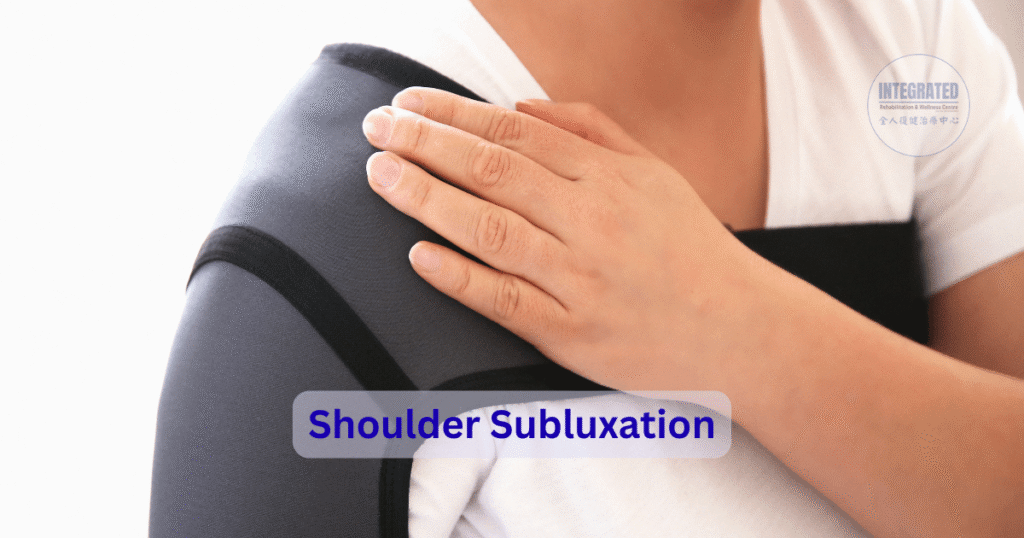
Some people experience flaccidity at the beginning—the arm feels very weak, with little or no active movement. Others have high muscle tension/ tone, where the fingers curl into the palm, the wrist bends, or the elbow stays flexed. Shoulder problems such as pain or a feeling of “heaviness” are also common, especially if the joint is not well supported.
Sensation can change too. The hand may feel numb, overly sensitive, “thick”, or hard to control because the person cannot correctly judge position or touch. In some cases there is inattention or “neglect” of the affected side, where the brain is not automatically paying attention to that arm.
All of these factors together make it harder for the person to use the arm spontaneously in daily life. Without guidance, the stronger arm may take over everything, and the affected arm is used less and less. Over time, this can limit the brain’s chance to rewire and relearn.
How the brain relearns movement: neuroplasticity in simple language
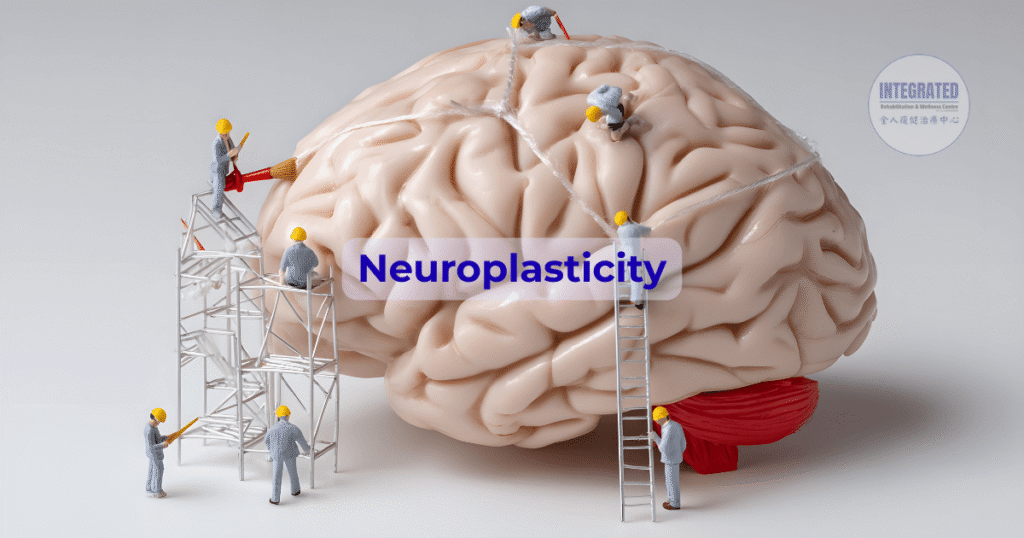
Neuroplasticity is the ability of the brain to reorganise itself, form new connections, and allocate new “brain areas” to support recovery. Research shows that task-specific, repeated practice of meaningful movements can change brain activation patterns and support functional recovery of the upper limb.
In practical terms, this means the brain needs:
- Clear messages about what we want the arm and hand to do.
- High repetitions of meaningful movements, not just random exercise.
- Tasks that are challenging, but not impossible.
- Consistency over weeks and months.
This is why a structured rehabilitation plan, designed by therapists and carried out both in the clinic and at home, is so important.
Principles of effective hand & upper limb rehab
Hand and upper limb rehabilitation is more than just “exercises”. It is a combination of science, careful observation and individual tailoring.
Therapists first assess what the person can currently do: muscle strength, range of motion, muscle tone, sensation, coordination, task attention and how the arm is used in real-life tasks. Based on this, they set specific goals together with the person and family—for example, being able to grasp a cup with the affected hand, stabilise a bowl while eating, or support the weaker arm to reach the table.
Treatment is then built around meaningful activities. Instead of only moving the wrist up and down on the bed, the person might practise reaching to a shelf, bringing a cup to the mouth, or placing objects into containers. These activities are broken down into smaller components when needed, but the aim is always to connect practice back to purposeful function.
Throughout the process, the therapist adjusts the difficulty. As control improves, tasks become faster, more precise, involve more weight or more complex hand shapes. When fatigue or tone increases, the plan is adapted to keep practice safe and achievable.
Early phase: when there is little or no movement
In the early phase after stroke, many people worry when they do not see the arm move. This stage is still important for recovery, even if the hand is not yet active.
Therapists focus on protecting the shoulder joint, positioning the arm in a supported and comfortable way, and guiding the limb through gentle movements within a safe range. The aim is to maintain joint flexibility, reduce the risk of pain, and give the brain repeated sensory input from the affected side.
Sometimes, the therapist may help the person mentally rehearse movements, even if the arm does not move visibly. This “motor imagery” can stimulate the motor areas of the brain and prepare the system for later physical movement.
Family and caregivers learn how to support the arm when sitting, standing or transferring, and how to avoid pulling on the shoulder. At this stage, small signs of change—such as a flicker in the fingers, a slight ability to support the arm on a table, or a change in muscle tone—are carefully monitored and built upon.
Middle phase: when movement is emerging
When the person starts to regain some active movement in the shoulder, elbow or fingers, therapy becomes more task-oriented and intensive. There is good evidence that repetitive, functional task practice can support upper limb recovery and improve activity performance when enough repetitions are achieved.
Rehabilitation sessions may involve reaching towards different targets, lifting and placing objects, opening and closing the hand around cups, bottles or sponges, and practising forearm rotation to turn a key, open a door handle or use utensils. The therapist pays close attention to movement quality, not just quantity. Compensatory patterns—such as hiking the shoulder, leaning the trunk excessively, or using the stronger hand to cheat—are identified and gently corrected when appropriate.
At the same time, exercises are embedded into daily activities. A meal becomes an opportunity to practise bringing the hand to the mouth; grooming becomes a chance to work on shoulder and elbow control in front of a mirror. The goal is for the affected arm to participate in real tasks, even if it is not yet the main working hand.
Later phase: refining control and building real-life skills
In the later phase, the focus shifts towards speed, accuracy, endurance and coordination. People may be working on more complex finger tasks such as fastening buttons, handling coins, using a smartphone, writing, or manipulating tools and kitchen equipment.
Therapy sessions can include graded resistance, faster movements, dual-task activities and practice in different environments—standing instead of sitting, moving between rooms, or simulating work-related tasks. For some, the aim is to regain two-handed activities at home; for others, it might be to return to hobbies like playing an instrument, drawing or light DIY.
Even at this stage, repetition and meaningful practice remain central. Evidence suggests that continued, task-specific training can support further gains, even in the chronic phase after stroke, especially when combined with technology or devices that enable extra practice.
Tools and approaches that may be used
Depending on the person’s needs and the resources available, therapists may consider a range of approaches as part of a comprehensive programme.
Constraint-induced movement therapy (CIMT), for example, is an intensive approach where the stronger arm is partially restricted for specific periods, encouraging more use of the affected arm during structured tasks. Research has shown that, in carefully selected individuals, CIMT can improve functional use of the affected upper limb, although it requires proper screening and supervision.
Other options may include task-oriented training with or without assistive devices, mirror therapy, graded virtual reality activities, or, in some cases, electrical stimulation as an adjunct to help activate muscles that show some contraction but are not yet strong enough to move against resistance. Current guidelines suggest that electrical stimulation is not for routine use in everyone, but can be considered on a trial basis as part of a broader rehabilitation plan.
Splints or supports for the wrist and hand may be considered when tone is high or the hand is very weak and immobile, mainly to maintain range, protect the skin and support care—always with regular review and education for the person and family.
Importantly, no single technique is a “magic solution”. Effective upper limb rehabilitation usually involves a combination of approaches, adjusted over time according to progress, comfort and personal goals.
The role of the person and family
Therapy sessions alone are rarely enough to provide the number of repetitions the brain needs. The most successful programmes are those where the person and family are actively involved.
A therapist-designed home exercise plan, focused on short, frequent practice during the day, can make a significant difference. This might include simple reaching tasks at the table, using the affected hand to stabilise objects, practising opening the hand before each grasp, or incorporating arm movements into daily routines such as dressing, cooking or folding laundry.
Family members can support by setting up a safe environment, helping with positioning, giving reminders and encouragement, and celebrating small achievements. When everyone understands the principles of repetition, task specificity and safety, home becomes a powerful extension of the therapy space.
When progress feels slow
It is very common for progress to feel slow or uneven. Recovery after stroke is not always a straight line. There may be periods of rapid change, and periods where not seeing improvements. Feeling discouraged is normal, especially when comparing current ability to pre-stroke life.
At these times, it can help to review goals with the therapist, look back at old videos or notes to see how far things have actually moved, and adjust the training plan so that it remains challenging but achievable. Sometimes the focus needs to shift temporarily—from increasing strength to reducing pain, from fine motor skills to shoulder comfort, or from pure movement to energy conservation and pacing.
Even when full recovery of the hand is not possible, targeted rehabilitation can still support better comfort, easier care, greater use of the arm as a helper limb, and more independence in daily tasks. The aim is always to make the best use of the abilities that are present, while continuing to stimulate the brain for further change.
When to seek professional support
Hand and upper limb rehabilitation is most effective when guided by trained rehabilitation professionals such as occupational therapists and physiotherapists who are experienced in stroke care. If you or your family notice new weakness, increasing stiffness, shoulder pain, difficulty using the hand in daily life, or if progress has plateaued and you are unsure how to move forward, it is reasonable to seek a detailed assessment.
A thorough upper limb assessment should look at movement, tone, sensation, function and daily occupations, and from there a personalised rehabilitation plan can be designed. This might involve intensive blocks of therapy, a structured home programme, caregiver training, or referral to additional services when needed.
A final word
Hand and upper limb rehabilitation after stroke is a journey that can feel long, but it is not a journey you have to take alone. With a clear plan, evidence-informed strategies and consistent practice, it is often possible to unlock more movement, more function and more confidence in the affected arm—sometimes in ways that are only visible when you pause and look back at where you started.
This article is for general education and does not replace individual medical advice. For personalised recommendations, please consult your rehabilitation team or a qualified therapist who can assess your specific situation.